
Table of Contents
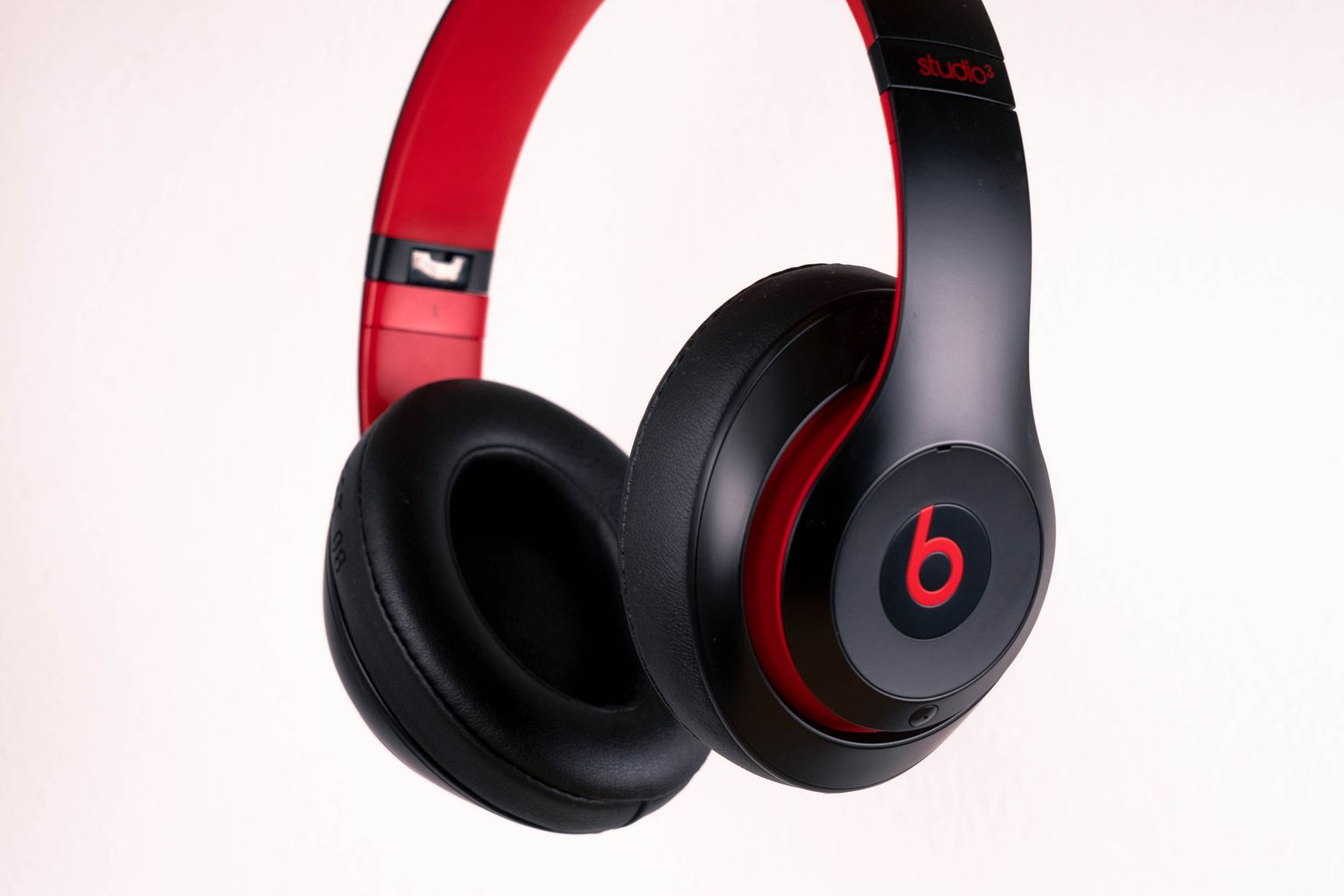
Pick the Beats Studio Pro if you need noise cancelling for flights, trains or a loud office. Pick the Beats Solo 4 if you mostly listen at home or on quiet walks and want the longest battery for the least money. That is the short version of the Beats Studio Pro vs Beats Solo 4 decision, and it covers most buyers. The two look like siblings, share a lot of features, and both charge over USB-C with lossless wired audio. But they are built for different days. The Studio Pro is an over-ear model with adaptive ANC and a Transparency mode. The Solo 4 is a lighter on-ear model with no ANC at all, which is exactly why it runs for up to 50 hours. Below, we compare comfort, noise blocking, battery, sound, calls and price so you can decide quickly.
What is the main difference between Beats Studio Pro and Beats Solo 4?
Noise cancelling is the big one. The Studio Pro has fully adaptive active noise cancelling (ANC) and a Transparency mode. The Solo 4 has neither, so it relies only on its earcups pressing against your ears to block sound.
The second difference is fit. The Studio Pro is over-ear, so the cushions sit around your ears. The Solo 4 is on-ear, so the pads rest on your ears. That one detail changes comfort, isolation and how long you can wear them.
Here is how the specs line up, based on Beats’ own product pages:

| Feature | Beats Studio Pro | Beats Solo 4 |
|---|---|---|
| Style | Over-ear | On-ear |
| Weight | 260 g (9.17 oz) | 217 g (7.65 oz) |
| Active noise cancelling | Yes, adaptive | No |
| Transparency mode | Yes | No |
| Battery (Beats claim) | Up to 40 hrs ANC off, 24 hrs ANC on | Up to 50 hrs |
| Fast Fuel | 10 min = up to 4 hrs | 10 min = up to 5 hrs |
| Drivers | Custom 40 mm | Custom 40 mm |
| USB-C lossless audio | Yes, with 3 sound profiles | Yes |
| 3.5 mm wired input | Yes | Yes |
| Spatial Audio with head tracking | Yes | Yes |
| Launch price | $349.99 (July 2023) | $199.99 (May 2024) |
Everything else is closer than the price gap suggests. Both use 40 mm drivers, both support Personalized Spatial Audio with dynamic head tracking, both fold into a carrying case, and both ship with a USB-C cable and a 3.5 mm cable in the box. Neither has an official water resistance rating.
How do the Beats Solo 4 and Beats Studio Pro differ in design and comfort?
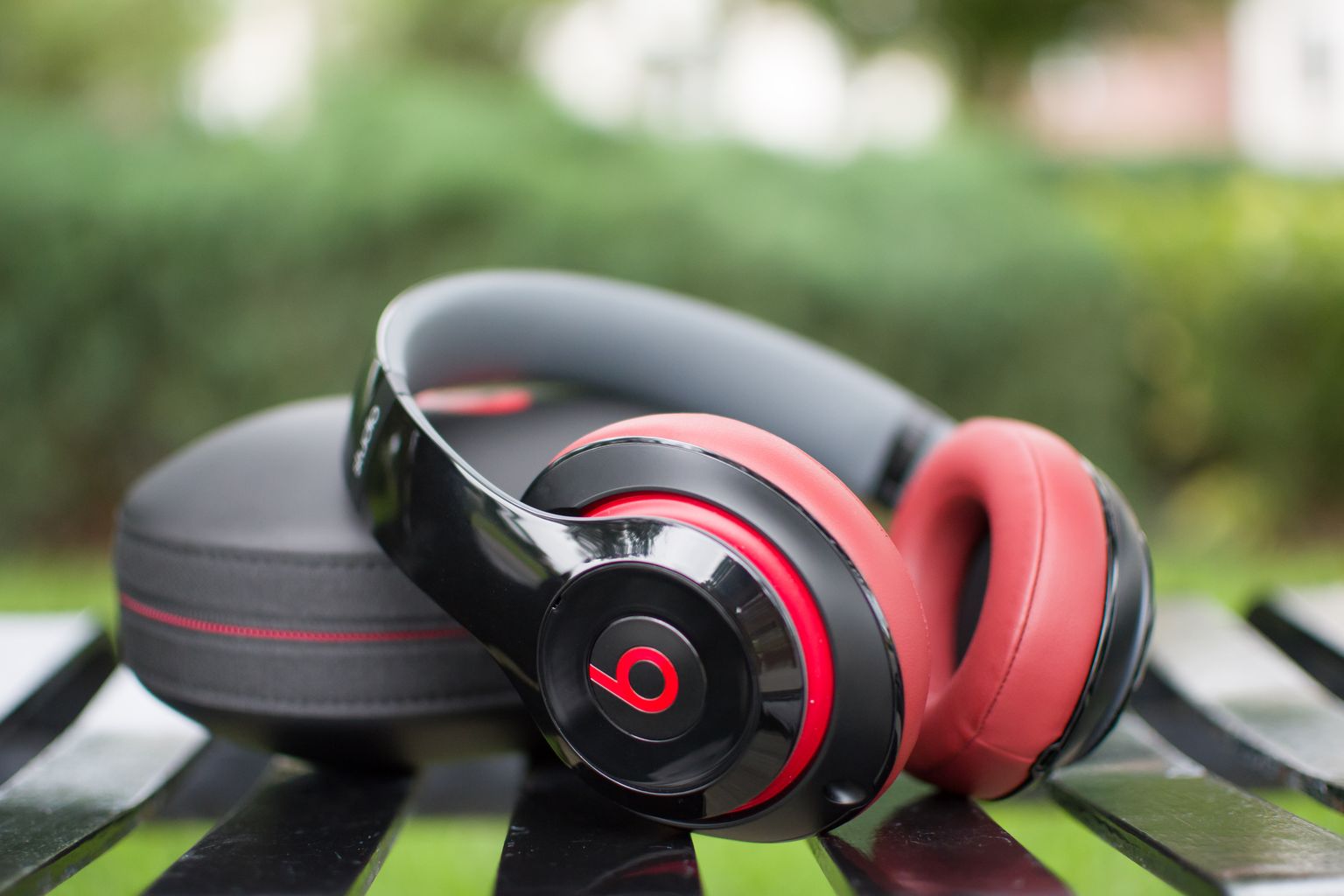
The Solo 4 is smaller and lighter at 217 grams, and it folds down more compactly, so it slips into a backpack or tote more easily. The Studio Pro weighs 260 grams. That 43 gram difference is noticeable when you pick both up, but it is not what decides comfort.
Clamping pressure is. On-ear headphones have to squeeze a little to stay put, and that squeeze lands directly on your ears. Plenty of people find this fine for an hour. On a long flight or a full workday, many start to feel a dull ache around the top of the ear. SoundGuys put it bluntly in their testing, saying the Solo 4 gets uncomfortable for most people after one to two hours.
The Studio Pro avoids that by sitting around your ears, but it has a catch of its own. Its earcups are on the small side for an over-ear model. If you have larger ears, they may touch the inside of the cup. Glasses wearers also tend to struggle with the seal, because the arms of the frames break it and let sound leak in. If you can, try both on in a store before you buy. Two minutes with each will tell you more than any spec sheet.
Both come in a range of colors, and both use the familiar Beats look with the “b” logo on each cup, so style is mostly a matter of taste.
Does the Beats Solo 4 have noise cancelling like the Studio Pro?
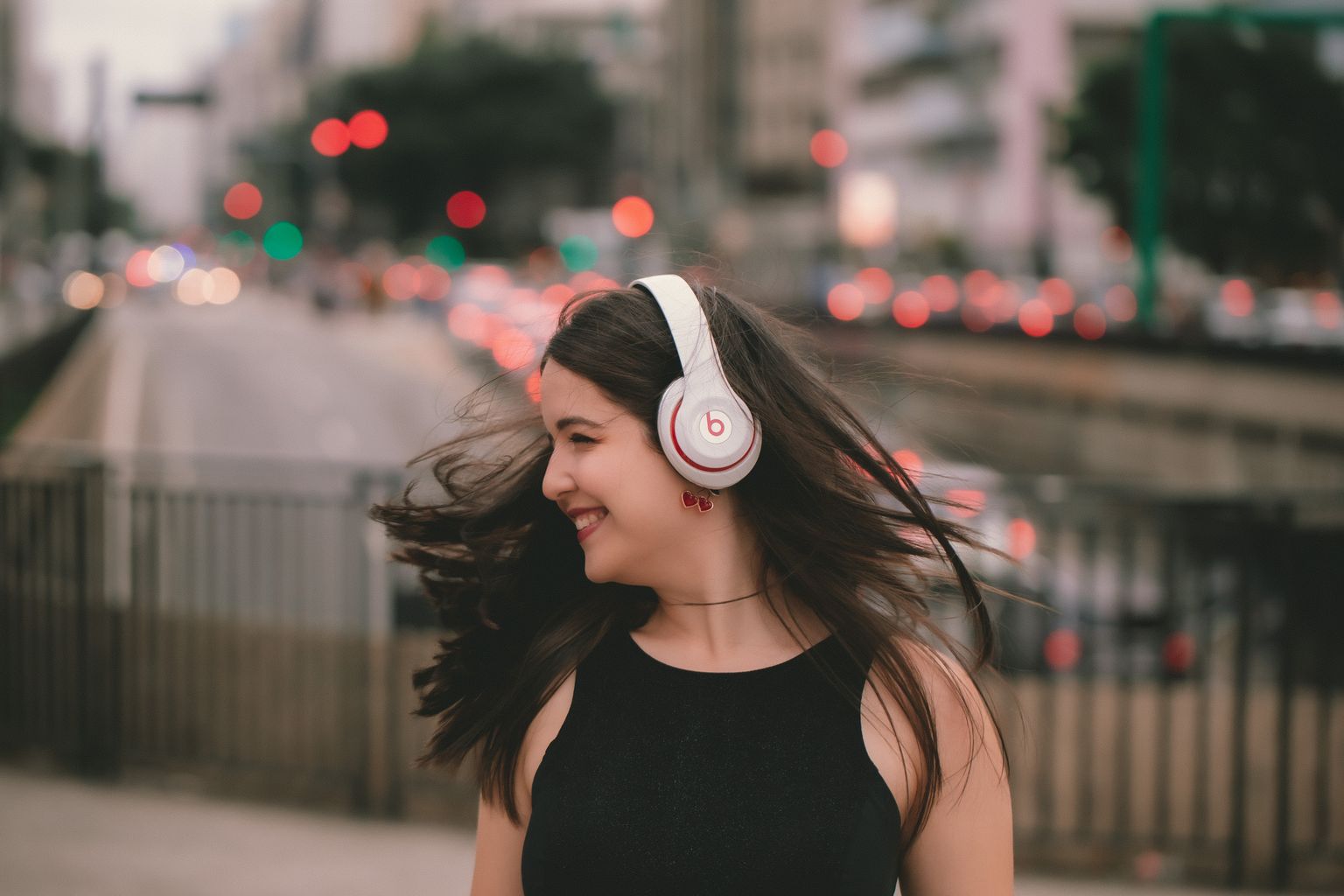
No. The Beats Solo 4 has no active noise cancelling and no Transparency mode. This is the single most important thing to know before you buy one.
Active noise control works by using microphones to pick up outside sound and then playing an inverted signal to cancel it. It is most effective on steady, low rumbles like a plane engine, a bus or an air conditioner. The Solo 4 cannot do any of that. Its pads block some high-pitched chatter, but low-frequency noise passes right through. On a city bus, you will end up turning the volume up to drown out the engine, which is harder on your ears over time.
The Studio Pro’s adaptive ANC adjusts to your surroundings and, according to SoundGuys’ measurements, cuts roughly 50 to 90 percent of outside noise across the frequency range when you get a good seal. Transparency mode does the opposite job. It pipes outside sound in so you can hear a train announcement or order a coffee without taking the headphones off.
So if your listening happens anywhere noisy, the Studio Pro is the clear choice. If you listen at home, in a quiet office, or on walks where you want to hear traffic anyway, the Solo 4’s lack of ANC matters much less.
Which has better battery life, Beats Solo 4 or Beats Studio Pro?
The Solo 4 wins, and it is not close. Beats rates it at up to 50 hours of playback per charge. The Studio Pro is rated at up to 40 hours with ANC and Transparency off, and up to 24 hours with either one switched on.
Independent testing came in higher for both. SoundGuys measured about 84 hours from the Solo 4 and about 31 hours from the Studio Pro with ANC running. Your numbers will depend on volume and what you play, but the gap holds either way. Skipping ANC frees up a lot of battery.
Fast charging is close. A 10 minute Fast Fuel top-up gives the Solo 4 up to 5 hours and the Studio Pro up to 4 hours. Both charge over USB-C, and neither includes a wall adapter in the box.
There is one more trick with the Solo 4. When you plug in the 3.5 mm cable, it plays music without using any battery at all. Even if it dies on a trip, you can keep listening wired. For long trips where outlets are scarce, pairing either set with one of the picks from our best power banks roundup solves the problem for good.
Do the Beats Studio Pro sound better than the Beats Solo 4?
They sound more alike than most people expect. Both use 40 mm drivers and a consumer tuning with extra bass and some lift in the treble. RTINGS, which measures headphones in a lab, describes the two as having a similar sound overall.
The Studio Pro does have an edge in practice for two reasons. First, its ANC removes background rumble, so bass sounds cleaner and you need less volume to hear detail. Second, the over-ear seal is usually more consistent than an on-ear one, and bass depends heavily on that seal. If the Solo 4 sits slightly loose on your head, the low end thins out fast.
Reviewers have not been kind to the Solo 4 at its price. SoundGuys noted it lacks sub-bass and that its sound does not compete well with other $200 headphones. The Studio Pro is not an audiophile pick either, but it is the more complete package if sound is a priority.
Wired and lossless listening over USB-C
Both headphones have a built-in DAC and play lossless audio over a USB-C cable, plus a 3.5 mm analog input for in-flight entertainment or older gear. The Studio Pro adds three sound profiles when you listen over USB-C: Beats Signature, Entertainment and Conversation. It is a small extra, but it is the only built-in way to change the tuning on either model. Neither offers a full EQ in the Beats app.
Which works better with iPhone and Android?
Both work well with each, and this is one area where Beats stands out from most headphone brands.
On an iPhone, you get one-touch pairing, hands-free “Hey Siri,” Find My support and automatic switching across devices signed in to your iCloud account. You don’t need an app. Pair either set with an iPhone and they show up in your Bluetooth settings with full controls. If you are still choosing a phone to match, our guide to which iPhone has the best camera covers the other side of that decision.
On Android, both offer one-touch pairing through Google Fast Pair and Find My Device support. You will want the Beats app on Android for firmware updates and control customization. Both connect over Bluetooth 5.3 with SBC and AAC codecs. Neither supports high-resolution Bluetooth codecs like LDAC, so Android users don’t get any hidden quality boost from either.
How do the microphones and call quality compare?
On paper, the Studio Pro looks better. Beats says its upgraded voice-targeting mics are up to 27 percent clearer than the older Studio3. In real use, the result is mixed. SoundGuys found that loud background noise could overpower the speaker’s voice on the Studio Pro, while the Solo 4’s beamforming mics handled noisy settings slightly better.
Neither is great for calls in a busy café or on a windy street. For quiet rooms and the occasional video meeting, both are fine. If calls are a big part of your day, don’t let mic quality be the reason you spend more on the Studio Pro.
Beats Studio Pro vs Beats Solo 4: is the Studio Pro worth the extra money?
It depends on whether you need ANC. The Studio Pro launched at $349.99 and the Solo 4 at $199.99. At the time of writing, Beats lists the Studio Pro at $299.99 and the Solo 4 at $199.99 on its own store, and both regularly drop lower during sales at major retailers. Prices change often, so check before you buy.
If you are paying around $100 more for the Studio Pro, you are mostly paying for adaptive ANC, Transparency mode and over-ear comfort. For commuters and frequent flyers, that is money well spent. For someone who listens at a desk, it is money spent on features you won’t use.
Buy the Beats Solo 4 if…
You listen mostly at home or in quiet places, you want the longest possible battery, you like a compact folding design, and you would rather keep the extra cash. Just be honest with yourself about comfort. If on-ear headphones have bothered you before, they probably will again.
Buy the Beats Studio Pro if…
You travel, commute on public transport or work somewhere noisy. ANC and Transparency mode alone justify the higher price in those situations, and the over-ear fit is easier to wear for long stretches if the cups fit your ears. Try to catch it on sale, since it is discounted often.
Conclusion
The Beats Studio Pro vs Beats Solo 4 choice comes down to where you listen. If your day includes a noisy commute, a flight or an open office, the Studio Pro is worth the extra money. Its adaptive ANC and Transparency mode do real work, and the over-ear cups are easier to wear for hours if they fit your ears. If you mostly listen at home or on quiet walks, the Solo 4 makes more sense. It is lighter, folds smaller, costs less and lasts far longer on a charge, with 50 hours rated and even more in independent testing. Sound quality is closer than the price gap suggests, and both handle iPhone and Android well. Our advice is to try them on if you can, and wait for a sale on either one, since both drop in price regularly.


1 comment
[…] a single dynamic driver per ear. It’s the same idea scaled down, which is why comparisons like Beats Studio Pro vs Beats Solo 4 focus so much on driver […]