
Table of Contents
The first smart speaker you buy quietly decides the next ten gadgets you’ll buy, because it picks your app, your voice assistant and, in 2026, your AI subscription. That’s why the google home vs alexa vs apple question matters more than the speaker on the shelf. Matter has made most new plugs, bulbs and locks work with all three, so the real split is now about which assistant you live with and what it costs each month.
At Best Electronics Guide, we built this comparison from Amazon, Google and Apple’s own pricing and support pages. Our short answer: your phone and your existing subscriptions should make the call.
Quick answer: Pick by your phone and priorities. Choose Apple Home if everyone uses an iPhone and privacy matters most. Choose Alexa for the widest device choice and the lowest entry cost, especially with Prime. Choose Google Home if you use Android and Google services daily.
Google Home vs Alexa vs Apple at a Glance: How Do They Compare?
Alexa has the biggest device catalogue and is free with Prime, Google Home has the strongest link to Android and Google services, and Apple Home is the privacy pick for iPhone-only homes. Here’s how the three line up on the same nine points, as of October 2026.

| Feature | Google Home | Amazon Alexa | Apple Home |
| Voice assistant | Gemini for Home (replacing Google Assistant) | Alexa+ | Siri (new Siri AI in beta on HomeView) |
| AI assistant cost (US) | Basic Gemini free; Google Home Premium $10 or $20/month | Free with Prime; $19.99/month without | No subscription for Siri or the Home app |
| Phone apps | Android and iPhone | Android and iPhone | iPhone, iPad and Mac only |
| Hub you need | A Google speaker or display for Matter over Thread | An Echo with Matter and Thread support | HomePod, HomePod mini, Apple TV or HomeView |
| Matter support | Yes | Yes | Yes |
| Device choice | Large | Largest | Smallest |
| Smart displays | Nest Hub, Nest Hub Max | Echo Show range | HomeView (from November 13, 2026) |
| Privacy approach | Cloud-based, with account controls | Cloud processing for all Echo voice requests since March 2025 | Home data encrypted end to end |
| Best for | Android and Google users | Prime households and tight budgets | iPhone households that care about privacy |
The biggest change since 2025 is the AI layer. Amazon now bundles Alexa+ into Prime, Google sells Gemini extras through Google Home Premium, and Apple keeps Siri free but is still rolling out its upgraded version.
How We Compared These Smart Home Ecosystems
For this google home vs alexa vs apple comparison, we scored all three ecosystems on the same nine points: phone support, assistant, AI cost, hub needs, Matter, device choice, displays, privacy and fit. Every price and feature comes from Amazon, Google or Apple’s own pages, checked in October 2026. We didn’t bench-test these platforms for this guide, and we won’t pretend otherwise. Where a maker hasn’t published a detail, such as an exact device count, we leave the number out and describe the gap in plain terms. Prices change, so check the maker’s page before you buy.
What Is Each Smart Home Ecosystem Best At?
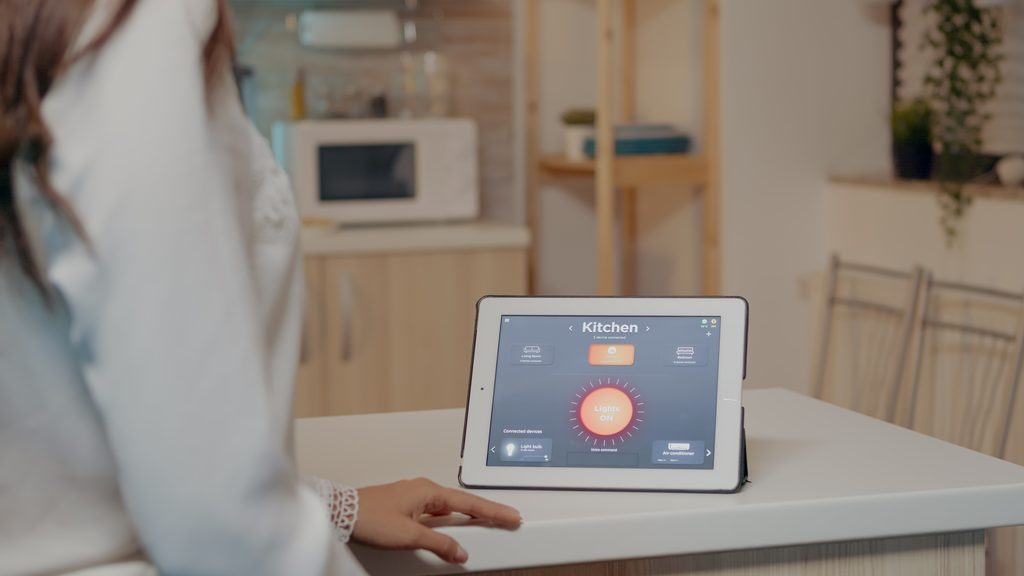
Each platform wins a different job. Google Home is best for Android users who want Gemini, Alexa is best for households that want the most device choice for the least money, and Apple Home is best for iPhone families who want their home data kept private.
Google Home: Best for Android and Gemini Users
Google Home runs on the Google Home app, Nest speakers and displays, and the new Google Home Speaker. Its assistant is Gemini for Home, which is replacing Google Assistant on compatible devices. Google lists the full Gemini experience on the Google Home Speaker, Nest Audio, Nest Hub (1st and 2nd gen), Nest Hub Max, Nest Mini (2nd gen) and the original Home Mini.
Basic Gemini voice control is free. Smart home control, music, timers, lists and reminders cost nothing extra. Extras sit behind Google Home Premium: Google’s announcement lists the Standard plan at $10 a month or $100 a year and Advanced at $20 a month or $200 a year.
- Strengths: works on Android and iPhone, strong camera and doorbell features, Gemini Live chats without a wake word on Premium.
- Weak spots: Google’s help pages say once your home switches to Gemini, it can’t switch back to Google Assistant, and older speakers like the original Google Home won’t get Gemini Live.
- Best for: Android phones, Gmail and Google Calendar users, Nest camera owners.
Amazon Alexa: Best for Device Choice and Prime Households
Alexa runs on Echo speakers, Echo Show displays and the Alexa app on both Android and iPhone. It also works with the biggest catalogue of third-party smart gear, which is why cheap plugs and bulbs so often carry a “Works with Alexa” badge.
The money story is simple. Amazon says Alexa+ is free for Prime members, while everyone else pays $19.99 a month or uses a limited free chat version. If you already pay for Prime, you get the full AI assistant for your whole household at no extra cost. Amazon says that access covers Alexa-enabled devices, Alexa.com and the Alexa app, so the same assistant follows you from the kitchen speaker to your phone.
- Strengths: the widest choice of compatible devices, Echo Show screens, and Alexa+ bundled into Prime.
- Weak spots: every voice request goes to Amazon’s cloud, and the best AI features cost $19.99 a month without Prime.
- Best for: Prime members, mixed Android and iPhone homes, and anyone starting on a budget.
Apple Home: Best for iPhone Users Who Want Privacy
Apple Home runs through the Home app on iPhone, iPad and Mac. To control devices away from home, share access or run automations, you need a home hub: HomePod, HomePod mini, Apple TV or the new HomeView display. Apple’s support page confirms a hub is also required to add Matter accessories.
Apple says your Home app data is stored in a way it can’t read, and communication is encrypted end to end. HomePod mini 2 lists at $149 on Apple’s US store as of October 2026. If your family is already deep in iPhones, our look at which iPhone has the best camera shows how far Apple’s hardware lineup goes.
- Strengths: strong privacy, a polished app, and tight links with iPhone and Apple Watch.
- Weak spots: no Android app, the smallest device catalogue, and a hub is required.
- Best for: households where everyone uses an iPhone.
Alexa vs Google Home: Which Is Better for Most Homes?
For most homes, Alexa is the better value and Google Home is the smarter fit for Android users. Alexa wins on device choice and on cost for Prime members, because Alexa+ comes free with the membership. Google Home wins if your calendar, photos and phone already live in Google’s apps.
Three things decide it. First, your phone: both apps work on Android and iPhone, so neither locks you out. Second, the subscription you already pay for: Prime tips it to Alexa, while a Google AI Pro plan includes Google Home Premium Standard. Third, screens: Amazon sells its Echo Show range, while Google offers the Nest Hub and Nest Hub Max. Our verdict leans Alexa for first-time smart homes and Google for Android families.
Cost is where the two split most clearly in 2026. A Prime household gets Alexa+ for $0 extra. A Google household gets basic Gemini for free, then pays $10 a month for Gemini Live and 30 days of camera video history, or $20 a month for AI camera summaries and searchable video history.
Apple Home vs Google Home: Which Should iPhone Users Pick?
iPhone users who live in a single-phone household should pick Apple Home, and iPhone users who share a home with Android users should pick Google Home. The deciding fact is simple: Google Home has an iPhone app, while Apple Home has no Android app.
Apple Home gives iPhone owners Siri, tight Apple Watch controls and Apple’s end-to-end encrypted Home data. Google Home gives the same iPhone owner Gemini, broader camera options and a home that an Android-using partner can control. If a teenager or guest has an Android phone, Google Home saves you a lot of “can you turn the lights off for me?” texts.
Hardware also shapes this choice. Apple Home needs a HomePod, Apple TV or HomeView as its hub, while Google Home uses its own speakers and displays. If you already own an Apple TV 4K, Apple Home costs you nothing extra to start.
HomeKit vs Alexa: Is Apple’s Privacy Worth the Smaller Catalogue?
For iPhone owners who rank privacy first, yes, Apple’s HomeKit platform is worth the smaller catalogue. For everyone else, Alexa’s bigger device list and lower starting cost win. Matter has narrowed the gap, since most new Matter devices work with both.
The trade-off is clear. Apple says it can’t read your Home app data, while Amazon moved all Echo voice processing to its cloud in March 2025. Alexa, in return, works with far more gear, including cheap plugs and older Wi-Fi devices that never got Apple support. If you own a drawer full of older smart plugs, Alexa will probably run them; Apple Home likely won’t.
Subscriptions tilt this pair toward Apple for some families. Siri and the Home app cost nothing extra, while Alexa+ costs $19.99 a month for anyone without Prime. Your Apple hub is the main upfront cost, with HomePod mini 2 at $149.
Which Voice Assistant Is Smarter in 2026: Gemini, Alexa+ or Siri?
Gemini and Alexa+ have moved furthest in 2026, because both now run on generative AI built for natural, back-and-forth requests. Siri’s upgraded AI version is still in beta on Apple’s HomeView display. Your choice comes down to which AI you’ll pay for, if anything.
Here’s what each one costs to use fully:
- Alexa+: free with Prime, $19.99 a month without, per Amazon.
- Gemini for Home: basic features free; Gemini Live and advanced camera tools need Google Home Premium at $10 or $20 a month.
- Siri: free, with the new Siri AI listed by Apple as beta in HomeView software version 27.2, English only to start.
Sound quality matters too, because you’ll hear every answer through a small speaker. Our guide to the full-range speaker explains why compact smart speakers often sound thinner than their size suggests. Google also says older devices, like the original Google Home and Google Home Max, support most Gemini features but not Gemini Live.
Which Smart Home Ecosystem Is Best for Privacy?
Apple Home is the best smart home ecosystem for privacy. Apple says it stores Home app data in a way it can’t read and encrypts communication end to end. Amazon, by contrast, sends every Echo voice request to its cloud for processing.
Amazon’s privacy shift is the one most buyers ask about. On March 28, 2025, Amazon ended the “Do Not Send Voice Recordings” option on the Echo Dot (4th gen), Echo Show 10 and Echo Show 15. That setting had let those devices process Alexa requests locally. In its email to owners, Amazon said Alexa’s new generative AI features rely on the processing power of its cloud, so local processing had to go.
That change matters most if you picked an Echo because it could keep your voice at home. Today, every Alexa request leaves the house. If you want the least data leaving your home, go with Apple; if convenience matters more, any of the three works with sensible privacy settings.
Google Home vs Alexa vs Apple: How Much Does Each Ecosystem Cost?
Alexa is cheapest for Prime members, Apple Home has no subscription but needs Apple hardware, and Google Home is cheapest at the free tier but adds $10 to $20 a month for its best AI features. Here’s the running cost as of October 2026.
| Cost | Google Home | Amazon Alexa | Apple Home |
| Basic assistant | Free | Free (Alexa+ chat, limited) | Free |
| Full AI assistant | $10/month or $100/year (Premium Standard) | Free with Prime; $19.99/month without | Free |
| Top tier | $20/month or $200/year (Premium Advanced) | N/A | N/A |
| Already included with | Google AI Pro (Standard) or AI Ultra (Advanced) | Amazon Prime | N/A |
| Hardware you must own | A compatible Google speaker or display | A compatible Echo | A home hub (HomePod mini 2 lists at $149) |
Hidden costs live in cameras. Google Home Premium covers camera video history on Google’s side, while Apple’s HomeKit Secure Video needs an iCloud+ plan. Before you buy cameras, add those plans to your monthly total.
Does Matter Mean You Can Mix Google Home, Alexa and Apple Home?
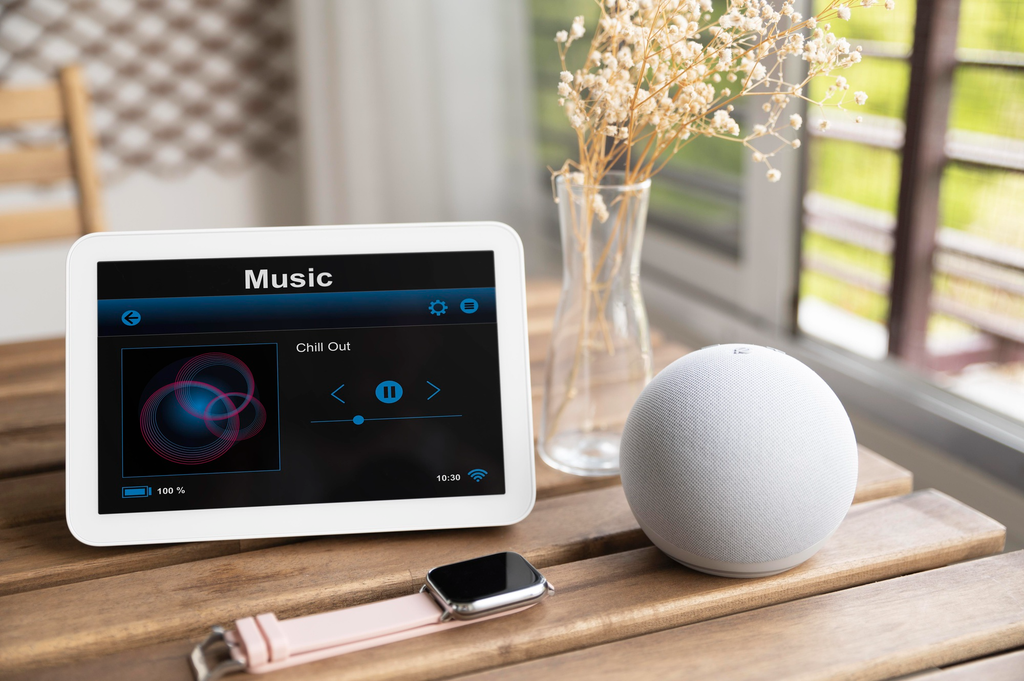
Yes, Matter lets you mix ecosystems for most new devices, which takes some pressure off the google home vs alexa vs apple decision. Matter is a shared smart home standard that Google Home, Alexa and Apple Home all support, so one Matter plug or bulb can show up in more than one app at once. That feature is called multi-admin.
Matter has limits, though. Some extras, like camera features or brand-specific settings, may stay inside one maker’s app. Thread, a low-power network that many Matter devices use, needs a Thread border router: Apple lists HomePod mini and Apple TV 4K (3rd generation) Wi-Fi + Ethernet for that job. Google and Amazon use some of their speakers and displays for it too.
Power users sometimes add Samsung SmartThings or Home Assistant on top. For most homes, buying Matter-certified gear is the simplest way to keep your options open if you switch later. Look for the Matter logo on the box, and pick Thread models if you already own a compatible hub, such as a HomePod mini or a recent Nest or Echo speaker.
Google Home vs Alexa vs Apple: Which Should You Choose?
Use our 3-Question Ecosystem Test. What phone does everyone use? Do you already pay for Prime or a Google AI plan? Do you want home data kept out of the cloud? Your answers point straight to one platform.
- Everyone uses an iPhone and privacy matters most: Apple Home.
- You use Android, Gmail and Google Calendar: Google Home.
- You pay for Prime or want the cheapest start: Alexa.
- Your household mixes Android and iPhone: Alexa or Google Home, since both have apps for both phones.
- You rent or are just starting: Alexa or Google Home with Matter plugs and bulbs you can take with you.
Our pick for most first-time buyers is Alexa, mainly because Prime members get Alexa+ free. Apple Home is our pick for iPhone-only families who’d rather pay once for a hub than pay monthly for an AI plan. Google Home is our pick for anyone already paying for Google AI Pro, since that plan includes Google Home Premium Standard. For more head-to-head buying advice, browse our electronics comparisons.
Frequently Asked Questions
Q. Which is better, Siri or Alexa or Google?
A: In 2026, Alexa+ and Gemini for Home both run on generative AI, so they handle natural, back-and-forth requests, while Apple still lists its new Siri AI as beta. Siri is the better pick for iPhone users who value privacy. Alexa suits Prime members, and Gemini suits Android and Google users.
Q. Is Google Home as good as Alexa?
A: Yes, Google Home is as good as Alexa for everyday control of lights, plugs and thermostats. Alexa supports more devices and gives Prime members Alexa+ free. Google Home is the better fit for Android phones and Google services, and its basic Gemini assistant is free, with paid Premium tiers for extras.
Q. Why are people getting rid of Alexa?
A: Some owners left Alexa over privacy. In March 2025, Amazon ended the option to keep Echo voice recordings off its cloud, saying its generative AI features rely on cloud processing. Others worry about paying $19.99 a month for Alexa+ without Prime. Many owners stay because Prime members get Alexa+ free.
Q. Is Google phasing out Google Home?
A: No, Google isn’t phasing out Google Home. It’s replacing Google Assistant with Gemini for Home on compatible Nest and Google speakers and displays. The Google Home app and devices continue. Once a home switches to Gemini, it can’t switch back, and older devices miss some features like Gemini Live.
Q. Can I use Google Home or Alexa with an iPhone?
A: Yes, both the Google Home app and the Alexa app work on iPhone, as well as on Android. Apple Home is the one that’s limited: it runs only on Apple devices. That makes Google Home or Alexa the easier pick for homes where people use both kinds of phone.
Q. Do I need a hub for Google Home, Alexa or Apple Home?
A: Apple Home needs a home hub, such as HomePod, HomePod mini, Apple TV or HomeView, for remote control, automations and Matter accessories. Google Home and Alexa use a compatible speaker or display as the hub for Matter devices that run on Thread. Plain Wi-Fi gadgets usually work with just the phone app.
Q. Can I switch smart home ecosystems without replacing my devices?
A: Usually, yes, if your devices are Matter-certified. Matter devices can be added to Google Home, Alexa and Apple Home, often at the same time. Older devices built for one brand may not move. Before switching, check each device’s box or app for the Matter logo.


1 comment
[…] you’re already deep in the Apple ecosystem, our Google Home vs Alexa vs Apple comparison covers what else Apple charges a premium […]