
You’re on a packed subway or a five-hour flight, the engine roar won’t quit, and your thumb keeps creeping up the volume button. That’s the exact moment people start asking: do noise cancelling headphones protect hearing, or do they just make the noise easier to ignore? The short answer comes in two parts. Noise-cancelling headphones aren’t certified hearing protection and carry no Noise Reduction Rating (NRR), so they’re not enough for gunfire, power tools or a loud concert. They do cut your exposure in another way, though: with the background drone turned down, you can listen at a much lower volume.
This guide walks through how active noise cancellation (ANC) works, where it helps your ears, where it falls short, and what to wear instead when things get truly loud.
Here at Best Electronics Guide, sound levels and limits in this guide come from WHO, NIDCD and NIOSH pages, and device features from Apple and Samsung support pages, all confirmed in November 2026.
How Does Active Noise Cancelling Work?

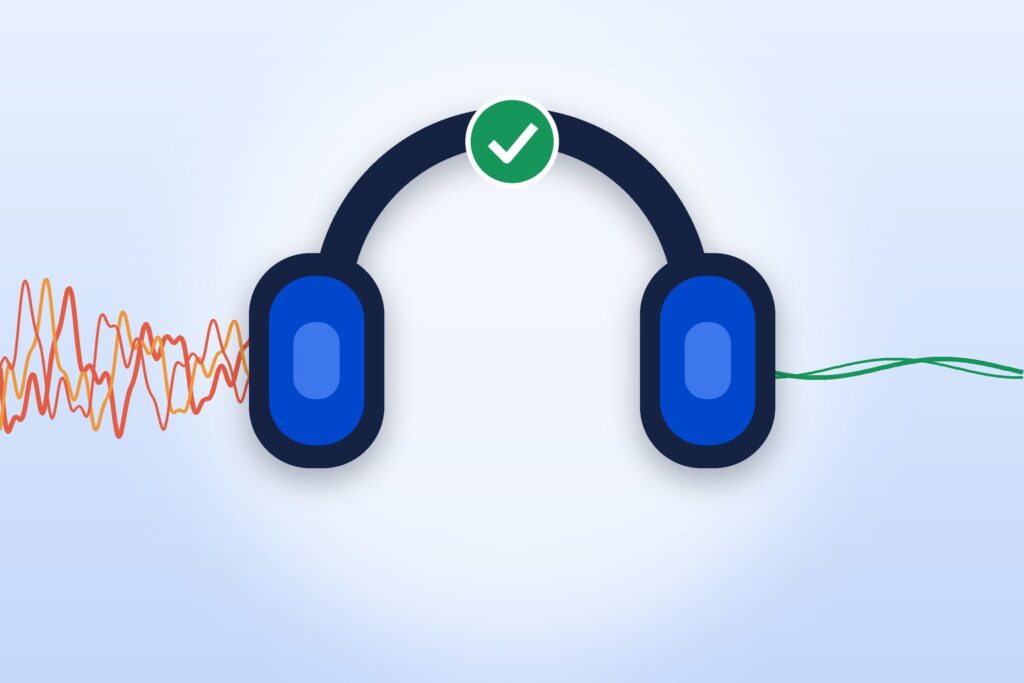
Tiny microphones on the headphones pick up outside sound, and the headphones play an opposite “anti-noise” wave that cancels much of it before it reaches your ear. When the two waves meet, their peaks and dips line up against each other, so what’s left is quieter. Engineers call this active noise control.
The catch is that the chip has to predict the sound it’s cancelling, and some sounds are much easier to predict than others:
- Works best on: Constant, low-pitched noise such as jet engine drone, train rumble, bus engines and air conditioning hum.
- Works poorly on: Sudden or high-pitched sounds such as voices, sirens, a dropped tool or a bang.
Low-pitched sound moves in long, slow waves that repeat, so the headphones have time to match them. A shout or a bang changes in an instant, and the anti-noise can’t keep up.
That’s why a plane cabin can feel almost silent while a crying baby two rows back still gets through. Audiologist Cory Portnuff of CU Anschutz notes that ANC handles variable sounds like talking and traffic less well, with higher-end models doing a better job (CU Anschutz, July 2025).
Active Noise Cancelling vs Passive Noise Isolation
Passive isolation is the physical barrier: the ear tips sealing your ear canal or the ear cups pressing around your ears. It blocks sound with no battery at all, and it covers the high-pitched and sudden sounds ANC misses. ANC then works on top of that seal for the low rumble.
The seal decides a lot. The Hill Hear Better Clinic says noise-cancelling headphones “work best when they fit snugly over your ears” (Hill Hear Better). Owners in r/lawncare who mow with AirPods Pro say swapping in compressible foam tips blocked noticeably more mower noise than the stock silicone ones.
How Do Noise-Cancelling Headphones Protect Your Hearing?
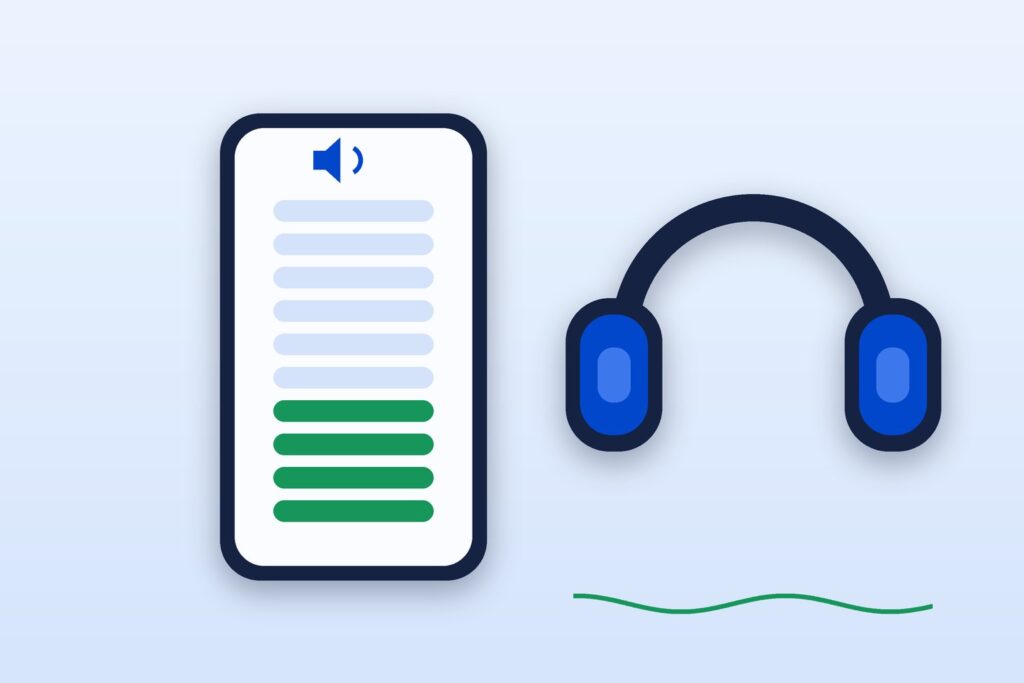
The protection comes from the volume you no longer need. Hearing damage depends on two things, how loud a sound is and how long you hear it, and ANC lets you lower the first one.
The National Institute on Deafness and Other Communication Disorders (NIDCD) says long or repeated exposure to sounds at or above 85 dBA can cause hearing loss (NIDCD: Noise-Induced Hearing Loss). The same NIDCD page puts headphones at maximum volume in the 94 to 110 dBA range.
The World Health Organization’s weekly listening limits show how fast the allowed time drops as volume rises (WHO safe listening Q&A):
| Sound level | WHO weekly listening limit |
|---|---|
| 80 dB | 40 hours |
| 85 dB | 12 hours 30 minutes |
| 90 dB | 4 hours |
| 95 dB | 1 hour 15 minutes |
| 100 dB | 20 minutes |
Source: WHO, Deafness and hearing loss: safe listening.
Every 5 dB you shave off roughly triples the time you can listen. So if ANC lets you hear a podcast on the train at 80 dB instead of 90 dB, your weekly limit goes from 4 hours to 40.
WHO itself names this tool in its advice on noisy places: “Use well-fitted, and noise cancelling headphones” so you don’t have to raise the volume. Portnuff makes the same point, saying ANC “can help you be able to lower the volume on your music, podcasts or whatever you’re listening to.”
Can You Use Noise-Canceling Headphones as Hearing Protection?
No, not for hazardous noise. In the US, hearing protective devices must carry an NRR label under EPA rules (40 CFR Part 211, Subpart B), and consumer ANC headphones don’t carry one. Without that rating, there’s no tested number telling you how much they cut a loud sound.
The NRR on a box of earplugs or a pair of earmuffs is a single figure in decibels, and a higher number means more noise reduction. It comes from a standard lab test with real listeners, which is exactly the proof a pair of ANC headphones never goes through.
Portnuff puts it bluntly: “Noise-cancelling headphones are not good at protecting hearing from loud sounds.” He adds that they aren’t protective enough around lawnmowers or light construction.
The bigger risk is a false sense of security. ANC makes a loud place feel calmer than it really is, so people stay longer or play music on top. Workers in r/Construction warn that ANC “can give you false confidence,” and in a 110-comment r/woodworking thread, a woodworker who used ANC headphones through long power-tool sessions got the same top answer: ANC isn’t ear protection, so focus on the protection first.
Noise-Cancelling Headphones vs Earplugs vs Earmuffs
Rated earplugs and earmuffs are built and tested to cut loud sound; ANC headphones are built to make listening nicer. Here’s how they compare:
| Option | Rated NRR? | Best at | Weak at | Can play music? | Best for |
|---|---|---|---|---|---|
| ANC headphones or earbuds | No | Low, constant drone | Sudden and high-pitched sounds | Yes | Flights, commutes, offices |
| Foam earplugs | Yes, on the package (varies by model) | Broad noise reduction at low cost | Need a deep, correct fit | No | Concerts, mowing, loud venues |
| Earmuffs | Yes, on the package (varies by model) | Quick on and off, easy fit | Bulky, glasses can break the seal | Varies by model | Yard work, power tools, job sites |
| Electronic shooting earmuffs | Yes, on the package (varies by model) | Letting speech through while cutting loud bangs | Higher price, need batteries | Varies by model | Shooting ranges, hunting |
For the loudest jobs, NIOSH recommends that shooters wear earplugs and earmuffs together (NIOSH, Firearms and Hearing Protection).
What About AirPods Pro Hearing Protection?
Apple’s AirPods Pro 2 and AirPods Pro 3 have a Hearing Protection feature that reduces loud sound across all three listening modes, and it’s on by default (Apple Support: Use Hearing Protection with your AirPods Pro). Apple lists three conditions: current firmware, a full ear-tip seal (checked with the Ear Tip Fit Test on Pro 2 or the Acoustic Seal Test on Pro 3), and charged earbuds. It’s available in supported regions only.
Apple bases its attenuation figures on the ANSI/ASA S12.68-2007 standard and says the feature is not suitable for extremely loud impulse sounds such as gunfire, fireworks or jackhammers, or for sustained sound above 110 dBA.
Owners in r/airpods and r/AirpodsPro describe using Pro 2 and Pro 3 at concerts and while mowing, saying music still sounds clear but quieter. Replies in the same threads point out that purpose-made concert earplugs exist, and the open-fit AirPods 4 with ANC can’t form the seal this mode needs.
Do Noise Cancelling Headphones Protect Hearing in Loud Places?
It depends on the noise. ANC headphones help a lot with constant background noise and fall short with very loud or sudden noise. Here’s a verdict for each common situation:
| Situation | Typical sound level | Are ANC headphones enough? | Better choice |
|---|---|---|---|
| Plane | Loud, varies by aircraft and seat | Yes for cabin drone, with volume kept low | ANC alone is fine |
| Train or subway commute | Loud, varies by line | Mostly, if you keep volume low | ANC, plus Transparency mode on platforms |
| Open office | Normal conversation is 60 to 70 dBA (NIDCD) | Yes | ANC alone is fine |
| Lawn mowing | Around 85 to 90 dBA (NIOSH) | No | Rated earmuffs or earplugs |
| Concert | 94 to 110 dBA (NIDCD) | No | Concert or foam earplugs |
| Shooting range | 144 to 172 dB peak (NIOSH) | No, never | Earplugs plus earmuffs |
| Construction or power tools | Power tools around 85 to 90 dBA (NIOSH) | No | Rated earmuffs, often over earplugs |
Sources: NIDCD and NIOSH pages linked above.
Planes and trains are where ANC earns its keep: the drone runs for hours at one pitch, which is the sound it cancels best, so you can watch a movie at a fraction of the volume you’d otherwise need. Concerts are the opposite. The music is the loud part, and ANC headphones would block the show you paid to hear, while concert earplugs lower everything evenly so the sound stays clear.
For shooting and power tools, always use rated protection, and never rely on ANC alone. If you want a podcast while you mow, a common trick in r/lawncare is to wear earbuds at a medium volume under a pair of rated earmuffs, so the earmuffs do the protecting and the earbuds just play audio.
Can Noise-Cancelling Headphones Damage Your Hearing?
ANC itself isn’t known to damage hearing; the risk is the volume of whatever you play through it. On the theory that ANC harms how the brain processes sound, Portnuff says, “While that’s an interesting theory, there’s no evidence that this is happening” (CU Anschutz).
People do report a few downsides, which are reported effects rather than medical findings:
- Pressure: Some new owners describe an “ear suck” or squeeze feeling when ANC first kicks in. In an r/NoStupidQuestions thread, the top reply suggested it’s mostly the sudden quiet making body sounds more noticeable.
- Less awareness: You can miss traffic, bike bells or a train announcement.
- Volume creep: Some people turn the volume up anyway, which cancels out the benefit.
Daily wear, comfort and long listening sessions are a separate question from hearing protection, and the safe-listening steps below cover the parts that matter for your ears.
How to Use Noise-Cancelling Headphones Safely
Use ANC to turn the volume down, not to make loud places feel OK. These steps help:
- Turn ANC on first: Switch it on before you touch the volume, then raise the level only until you can hear clearly.
- Stay at or under 60%: WHO advises keeping device volume below 60% of maximum.
- Take breaks: Give your ears regular quiet time, since exposure adds up over the week.
- Use your phone’s limits: On iPhone, go to Settings > Sounds & Haptics > Headphone Safety and turn on Reduce Loud Audio. The Health app also tracks Headphone Audio Levels. On Samsung Galaxy phones, go to Settings > Sounds and vibration > Volume, tap the three-dot menu and choose Media volume limit. Other Android brands keep a similar option in sound settings.
- Get a good seal: Try every ear-tip size, or adjust the ear cups until outside sound drops.
- Use Transparency near traffic: Switch modes when you’re walking, cycling or waiting on a platform.
See an audiologist if you notice ringing in your ears that won’t go away, muffled hearing, or trouble following conversations. WHO lists persistent ringing and difficulty following conversations as signs to contact a professional.
What to Look for in Headphones That Help Protect Your Hearing
The best headphones for your ears are the ones that let you keep the volume low without effort. Check for:
- Strong low-frequency ANC: This cuts the engine and train rumble that pushes the volume up.
- A good seal and fit: Several ear-tip sizes, or ear cups that close fully around your ears.
- Volume limits or exposure tracking: Either on the headphones or through your phone.
- A Transparency mode: So you can hear traffic and announcements without taking them off.
- A built-in hearing-protection mode: Where the maker offers one, like Hearing Protection on AirPods Pro 2 and 3.
If you’re weighing up a pair with ANC against one without, the trade-off is laid out in Beats Studio Pro vs Beats Solo 4. The same checklist works for any pair you’re eyeing in the audio guides on this site: tick off the seal, the ANC and the volume tools before you look at anything else. And if you’re shopping for speakers rather than headphones, our explainer on what a full-range speaker is covers the home-listening side.
Frequently Asked Questions
Q1:Can I still hear people talking with noise-cancelling on?+
Q2:How long is it safe to use noise-cancelling headphones?+
Q3:Do noise cancelling headphones work without music?+
Q4:Do noise cancelling headphones protect hearing on planes?+
Q5:Is noise cancelling bad for tinnitus?+
Q6:What type of headphones are healthiest for ears?+
Q7:Is it bad to sleep with noise-cancelling headphones?+
The Bottom Line
Noise-cancelling headphones don’t count as hearing protection, but they cut your exposure by letting you listen at a lower volume. Here’s how that plays out:
- Commuting or flying: ANC helps. Keep the volume low and take breaks.
- Mowing and power tools: Use rated earmuffs or earplugs.
- Concerts: Use concert or foam earplugs.
- Shooting: Use earplugs and earmuffs together, every time.
That low-volume habit carries over to every pair of headphones and earbuds in the electronics guides on Best Electronics Guide.
This article is general information and not medical advice, as the site Disclaimer explains. If you notice ringing or muffled hearing, see an audiologist.